
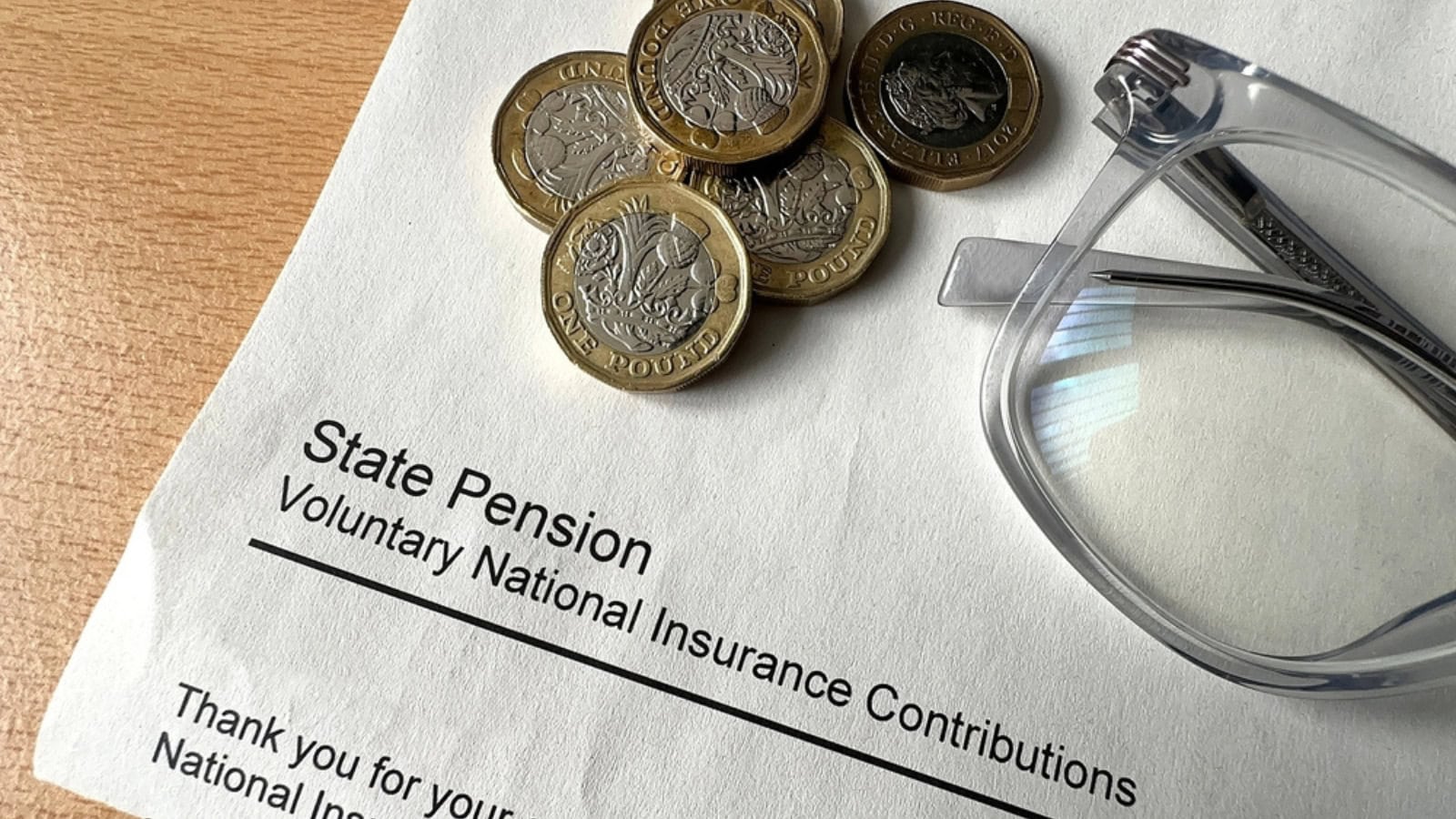
Your Armed Forces Pension isn’t the whole picture. You’ve also been building entitlement to a State Pension through National Insurance.
A little background
Before 6 April 2016 the State Pension comprised two parts (the Basic State Pension and the Additional State Pension (also known as the State Earnings Related Pension Scheme or SERPS).
At the time there were two rates of Class 1 National Insurance Contributions (NICs) depending on whether the pension scheme was ‘contracted in’ or ‘contracted out’ of the Additional State Pension.
Prior to 6 April 2016, the Armed Forces Pension Schemes (AFPSs) were ‘contracted out’ of the Additional State Pension, and as such Service personnel paid lower Class 1 NICs and were entitled to the Basic State Pension only – but AFPS benefits more than made up for the absence of the Additional State Pension.
From 6 April 2016, NICs for Service personnel (and other people who were members of ‘contracted out’ pension schemes) were increased by 1.4% of pay when the Single Tier Pension (New State Pension) was introduced.
Since the new State Pension was introduced in 2016, most people need 35 years of National Insurance contributions to receive the full State Pension. If you’ve paid contributions for at least 10 years but less than 35 years, you’ll receive part of the State Pension based on how many qualifying years* you have. If you have fewer than 10 qualifying years, you will not be entitled to any State Pension under this current system.
State Pension increases
Your State Pension is protected by the Triple Lock, which means it increases each year by the highest of:
- Inflation (measured by the Consumer Prices Index)
- Average earnings growth
- 2.5%
This helps your pension keep pace with rising costs and earnings.
Under the Triple Lock, the full new State Pension increased by 4.8% to £241.30 per week (£12,547.60 per year) from 6 April 2026.
If you were paying the lower rate of National Insurance before 6 April 2016, the DWP should have told you in 2015 how much State Pension you had built up by that date. This is called your foundation amount.
Any higher-rate National Insurance contributions you paid before, during breaks in service, or after leaving the Armed Forces will be taken into account. If you paid National Insurance after 6 April 2016, those contributions can increase the amount of State Pension you receive.
Checking Your National Insurance Record
You are probably a long way from reaching your State Pension Age but it is not a bad idea to check your contribution record.
If you have had no breaks in your Armed Forces service, your NIC record for that period should be complete. If it is not, you need to challenge it and you will probably need the help of DBS Veterans UK to prove what has been paid on your behalf. If there are genuine gaps in your record that should be there – for example, you took an unpaid career break – in most cases, you can buy back up to six years of missing contributions, helping to increase your State Pension entitlement.
State Pension Age Can Change, so it is a good idea to check yours from time to time. You can also obtain a State Pension forecast – and this could be of particular interest to those of you who have not paid 35 years’ worth of NICs and do not intend working or paying Voluntary Contributions once you leave the Armed Forces.
Living Overseas
Finally, remember, if you emigrate, your State Pension is still payable. Once in payment, it will not necessarily rise annually as it would in the UK. For example, it does rise if you live in the USA but it does not rise if you live in Canada. See State Pension If You Retire Abroad
You can claim online and, once authorised, payments are made gross (so before tax). That means that you will have to declare it in your annual tax return.
You do not have to pay NICs if you work abroad – but you can pay Class 3 NICs if you so wish.
Bottom line: Understanding your National Insurance record now can help maximise your State Pension entitlement and avoid unwelcome surprises when you reach State Pension age.